The honest answer is not a national age chart or a fixed percentage of the original price. A doublewide’s market value depends on what is being sold, its legal and physical condition, the land and improvements, financing eligibility, and recent comparable sales in the same market.
This guide gives you a defensible process for estimating value. It also separates three numbers people often confuse: an appraisal, an expected retail sale price, and a direct buyer’s offer.
In this guide
- Gather these facts before asking for a value range
- First: are you valuing the home alone or the home with land?
- The five inputs that matter most
- A step-by-step way to estimate your doublewide’s value
- Appraisal, comparative market analysis, assessment, and offer
- What We Buy Doublewides can evaluate
- Sources and review note
Gather these facts before asking for a value range
- Identify whether the sale includes owned land, a rented lot, or the home alone.
- Record the home’s approximate year, size, condition, and known ownership-record issues.
- Compare completed sales of similar properties, not just asking prices.
- List expected repairs, selling expenses, and known payoffs separately from the estimated sale price.
A higher sale price does not necessarily leave you with more money. Use the retail-versus-direct-offer worksheet to compare your own numbers, then discuss uncertain costs with the appropriate professional. The worksheet does not appraise the property.
First: are you valuing the home alone or the home with land?
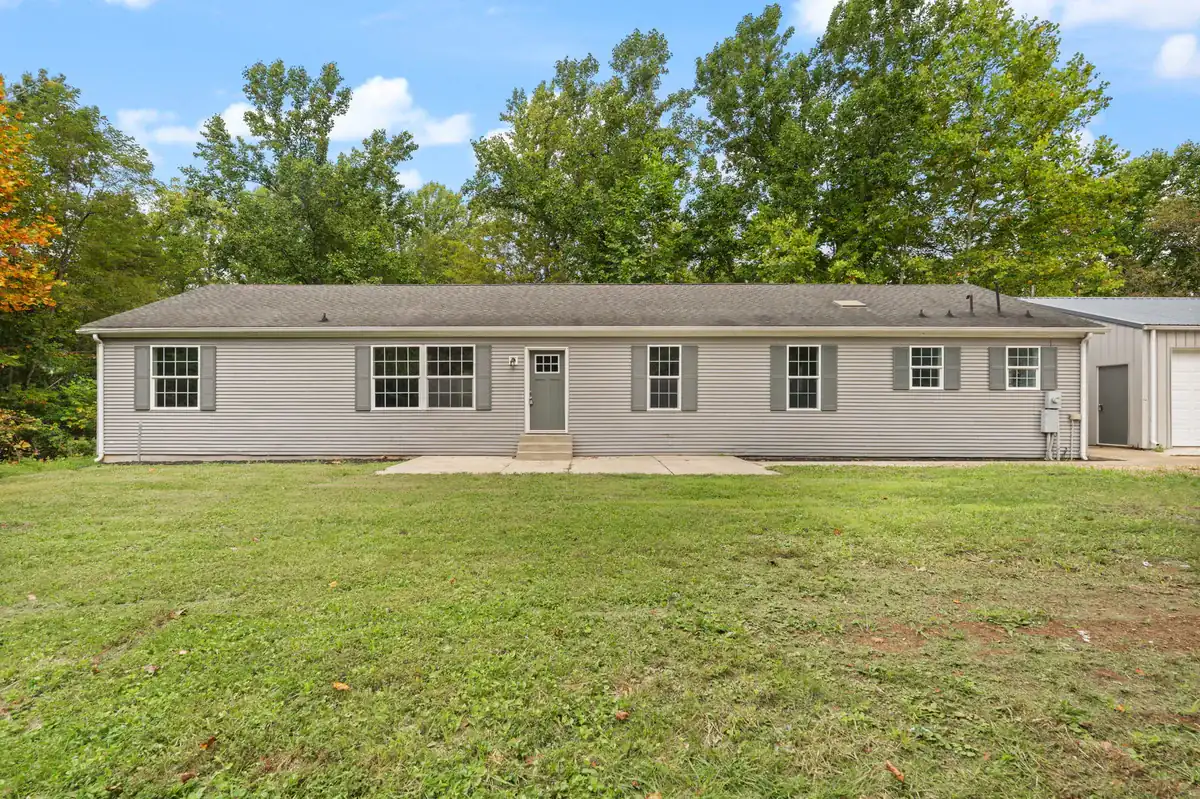
A doublewide in a park or on a rented lot is a home-only interest with park rules, lot rent, and a different buyer pool. A doublewide sold with seller-owned land includes both the home and real estate. Those are not comparable transactions.
Land ownership still does not automatically prove that the home is legally real property. For example, the Indiana BMV’s manufactured-home guidance explains the state title process and its Affidavit of Transfer to Real Estate path. Check the active home title, any recorded conversion document, and the land deed before choosing comparable sales.
The five inputs that matter most
1. Recent comparable sales
Start with closed sales—not active asking prices—of properties as similar as possible in location, acreage, home type, age, size, condition, utilities, foundation, and legal classification. A nearby site-built house, vacant acreage, park home, or new dealer model can be useful context but is not automatically a valid comparable.
A manufactured-home-experienced appraiser or real-estate professional can adjust for differences. Automated estimates may have too few relevant sales to model a rural home-and-land property reliably.
2. The land and site improvements
Review acreage, usable topography, road frontage, legal access, zoning, water, septic or sewer, electric service, driveway, outbuildings, and proximity to jobs and services. Developed utilities and lawful access can matter as much as raw acreage. A larger parcel is not automatically more valuable per acre.
Flood risk can affect use, insurance, and financing. Search the specific address in FEMA’s official Flood Map Service Center; do not rely only on a listing-site badge.
3. Home condition and remaining work
Inspect or obtain qualified estimates for roof, moisture, subfloor, supports or foundation, plumbing, electrical, HVAC, windows, siding, skirting, additions, well, and septic. Separate immediate safety or water-intrusion work from cosmetic preferences. Do not climb a questionable roof, enter an unsafe crawlspace, or energize damaged systems just to create a value estimate.
4. Identity, title, and financing eligibility
Year, manufacturer, model, serial number, HUD certification labels, data plate, and number of sections help identify the home. HUD’s current FHA handbook explains that homes built since June 15, 1976 must comply with the federal manufactured-housing standards and describes label verification in FHA transactions. That does not mean every post-1976 home qualifies for every loan; lenders also review the foundation, title classification, condition, site, and their own program rules.
The FHFA now publishes a developmental manufactured-housing house-price index using repeat transactions for real-property manufactured homes financed in its dataset. That is useful evidence that qualified manufactured-home real estate does not follow one universal depreciation curve. FHFA cautions that the index is developmental and excludes personal-property loans, so it is context—not a property valuation. See the FHFA HPI FAQ.
5. The sale route and seller net
Market value is not the same as take-home cash. For a retail scenario, estimate the likely closed price, negotiable commission, repairs, concessions, closing charges, holding time, taxes, liens, and loan payoff. For a direct offer, use the actual written offer and its conditions, then subtract the valid payoffs and agreed settlement items that apply.
Use the site’s editable retail-versus-direct worksheet rather than a hardcoded “cash buyers pay X percent” rule. The better route depends on your property, time, risk tolerance, and priorities.
A step-by-step way to estimate your doublewide’s value
- Define the property interest. Home alone, or home and land? Active home title, or documented conversion?
- Gather identifiers and records. Deed, title or conversion document, tax parcel, serial and HUD-label information, liens, and utility records.
- Document condition safely. Use dated photos and qualified repair estimates for material defects.
- Find relevant closed sales. Prioritize the same market and property type; note meaningful differences.
- Get the right professional opinion. Use an appraiser for an independent valuation, an experienced agent for a retail marketing estimate, or a buyer for that buyer’s actual offer.
- Compare seller net. Put all expected costs and payoffs beside each route before deciding.
Appraisal, comparative market analysis, assessment, and offer
- Appraisal: an independent appraiser’s supported opinion of value for a defined purpose and date.
- Comparative market analysis: an agent’s estimate intended to guide a possible retail listing; it is not an appraisal.
- Tax assessment: a value used in the local property-tax system; assessment rules and cycles differ from current market valuation.
- Direct offer: what one buyer is willing to pay under written terms after considering that buyer’s costs, risks, and plan.
One number cannot honestly substitute for all four.
What We Buy Doublewides can evaluate
We Buy Doublewides is Roger Choate’s local direct-buying business. Roger evaluates a manufactured home only when the seller owns the land and both will sell together, generally in a core area roughly 50 miles from the Jeffersonville, Indiana office. He does not buy park, rented-lot, home-only, or move-only properties.
An evaluation is not a certified appraisal and does not guarantee a purchase. Roger reviews the property and records before deciding whether to provide a written offer. No company commission is charged, but mortgages, liens, taxes, title work, prorations, and agreed closing charges can affect seller net.
Sources and review note
- HUD: Manufactured Housing Programs
- FHFA: House Price Index FAQ, including the developmental manufactured-housing index
- FEMA: Flood Map Service Center
- Indiana BMV: Manufactured/Mobile Homes
Reviewed August 25, 2026. This is general valuation and transaction information, not an appraisal, legal advice, tax advice, or a promise of price.
Own the land and considering a direct sale?
Share the home, land, location, condition, and known title status. Roger will review the property before confirming fit, a written offer, or a possible schedule.